
Five Ways You Can Drive Up Employee Engagement
We all know that if our team are feeling fully engaged, we will get better work and more of it – so how do we get there?
What skills will you need as a leader or as a manager? – Ideally you will be a great story teller, business case builder, facilitator, change leader, organisational designer and inspiring motivator.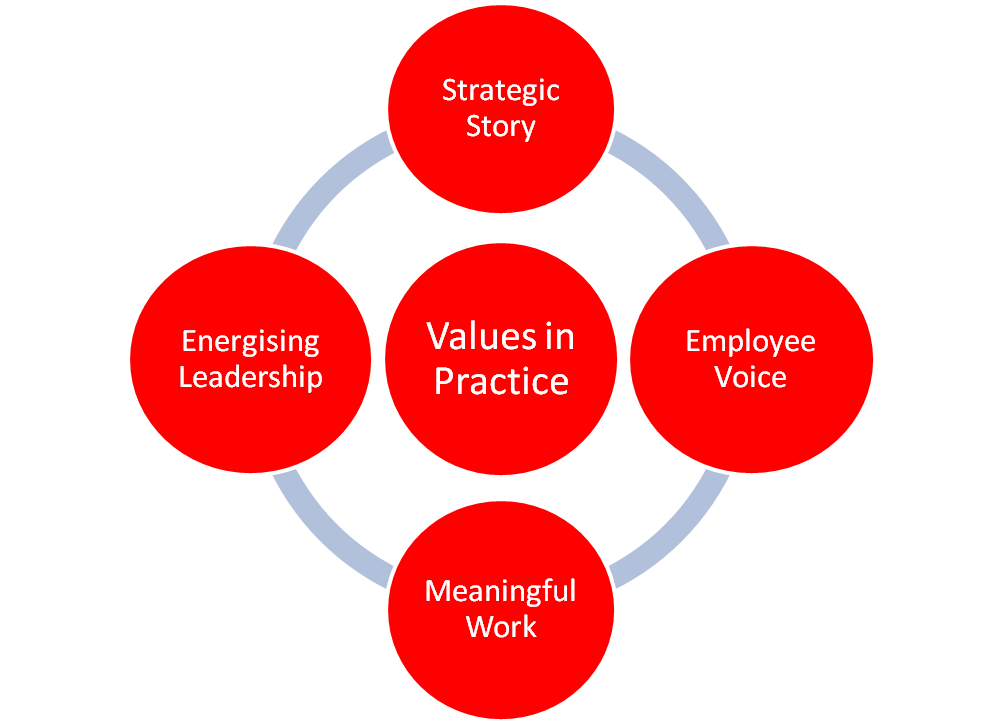
1. Strategic Story
Every manager should be able to tell a clearly expressed story about what the purpose of an organisation is, why it has the broad vision it has, and how an individual contributes to that purpose. Their employees should have a clear line of sight between their job and the narrative, and understand where their work fits in. These aims and values are reflected in a strong, transparent and explicit organisational culture and way of working.
2. Energising Leadership
Providing access to really effective training and development is one of the obvious roles for HR and line managers. Turning amateur managers into professional and engaging leaders is critical – they facilitate and empower rather than control or restrict their staff; they treat their staff with appreciation and respect and show commitment to developing, increasing and rewarding the capabilities of those they manage.
- Clear expectations, with appreciation and feedback/coaching and training.
- Treating their people as individuals, with fairness and respect and with a concern for the employee’s well-being.
- Ensuring that work is designed efficiently and effectively.
3. Employee Voice
Whether through formal mechanisms like Works Councils or staff representatives, or engagement surveys, or more informally through focus groups and direct communication channels, HR and managers can help to put in place a range of ways to ensure that the employee’s views are sought out.
- They are listened to and see that their opinions count and make a difference.
- They speak out and challenge when appropriate.
- A strong sense of listening and of responsiveness permeates the organisation, enabled by effective communication.
4. Meaningful Work
Job design and scope and aligning objectives to business strategy are traditionally areas that HR professionals would be involved in. Part of HR’s role here is to encourage managers to share the wider picture of what is going on in the organisation and how this impacts the work their team are doing.
5. Values in Practice
Most organisations have a set of values that they publish and aspire to working to. Ideally, behaviour throughout the organisation is consistent with stated values, leading to trust and a sense of integrity. Where there is a gap, the level of trust and engagement tends to drop off. HR’s role here may be in setting up measurements of perceived adherence to values, and in acting as the organisation’s conscience by championing policies and behaviours that reinforce the values.